Looking for a lower-cost entry point near Sedona without giving up access to its tourism and amenities? Cornville might be your smart starting place. You want clear steps, simple numbers, and local guidance you can trust, especially if this is your first investment. In this beginner-friendly guide, you’ll learn how Cornville works for investors, which property types fit common strategies, how to run the math, and how to navigate rural due diligence like wells and septic. Let’s dive in.
Why Cornville appeals to investors
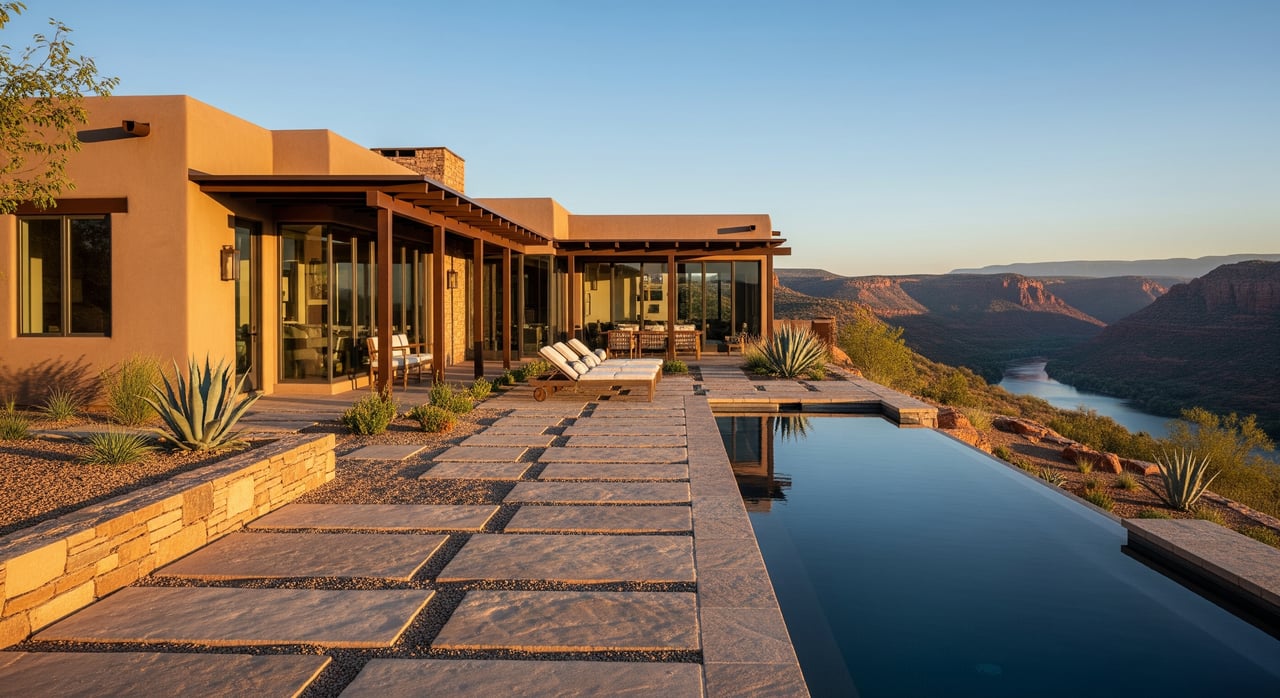
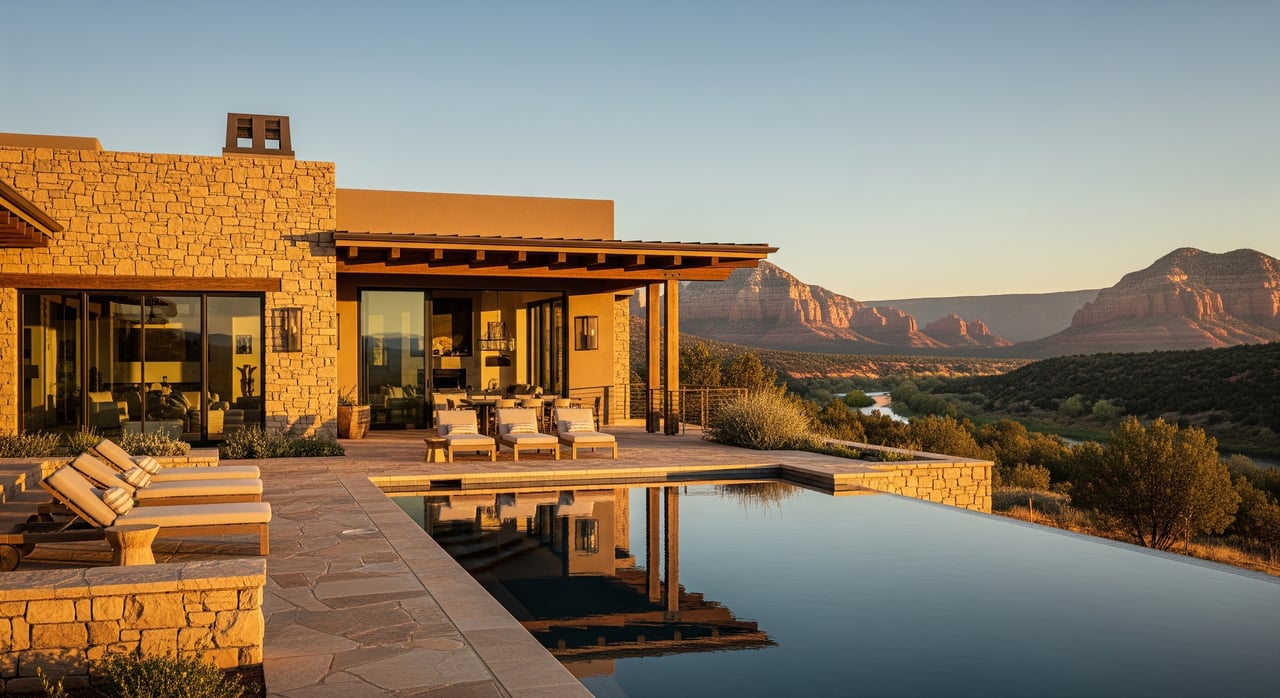
Cornville sits in Yavapai County’s Verde Valley, south of Sedona and close to Cottonwood. You get proximity to Sedona and Cottonwood amenities with generally lower entry prices than Sedona. The area’s rural and residential character appeals to buyers who want more space and quieter streets. That mix can be attractive if you are balancing lifestyle and return.
Local demand often connects to tourism in Sedona and Cottonwood, second-home and retirement interest, and everyday needs served by nearby employment and retail centers. You will also find wineries and outdoor recreation that draw visitors and residents. Always confirm how these drivers affect the specific property you are considering.
Property types you will see
Single-family homes on lots
You will find ranch-style and custom homes on small to large lots. These can fit long-term rental strategies or personal use with future resale. Lot size, access, and utility details vary, so budgeting for maintenance and insurance is important.
Manufactured and modular homes
Some neighborhoods include manufactured or modular homes. These can offer a lower purchase price and competitive rents, but financing and insurance can differ from site-built homes. Verify foundation type, age, and local lender appetite before you underwrite a deal.
Rural acreage with site-built homes
Acreage properties can be appealing for owner-operators or tenants who want space. These homes often rely on private wells and septic systems. Factor in testing, maintenance, and potential repairs for those systems when you model expenses.
Small multifamily scarcity
Small multi-unit properties are less common than in urban markets. If you are set on duplex or triplex income, you may need patience or widen your search radius to nearby Verde Valley towns while adjusting your underwriting for location differences.
Short-term rental potential
Some investors explore vacation rentals due to the region’s tourism. Demand can be seasonal, and local regulations can change. Before you underwrite a short-term rental, confirm permitted uses, tax obligations, and realistic occupancy patterns.
Run the numbers with confidence
Start with plain-language building blocks so you can compare properties apples to apples.
- Gross Scheduled Income: total rent if fully occupied.
- Effective Gross Income: gross income minus vacancy and collections plus other income.
- Net Operating Income: effective income minus operating expenses. Do not include mortgage payments.
- Cap Rate: NOI divided by purchase price. This helps you compare similar properties.
- Cash-on-Cash Return: annual pre-tax cash flow divided by your cash invested.
- DSCR: NOI divided by annual debt service. Lenders use this to gauge capacity.
Simple cap rate example
Here is an illustrative scenario to show the math. Replace every number with current, property-specific figures before you make decisions.
- Projected annual rent income: 24,000 dollars
- Vacancy at 8 percent: 1,920 dollars
- Effective Gross Income: 22,080 dollars
- Operating expenses: 8,080 dollars
- Net Operating Income: 14,000 dollars
- Purchase price: 280,000 dollars
- Cap Rate: 14,000 divided by 280,000 equals 5.0 percent
Use cap rates to compare similar properties in similar submarkets. Do not compare a single-family home in Cornville to an apartment building in a big city. For small single-family rentals, many investors prioritize cash flow and appreciation projections alongside cap rate.
Expense rules of thumb
Rules of thumb help you screen quickly, then you refine with quotes and local data.
- Vacancy: plan for 5 to 10 percent for long-term rentals. Short-term rentals can vary more with seasonality.
- Operating expenses: a quick screen is the “50 percent rule,” then adjust to actual taxes, insurance, utilities, and maintenance for each property.
- Maintenance: set aside about 1 percent of property value per year or use a portion of rents. Older homes or rural systems can require more.
- Management: 8 to 12 percent for long-term rental property managers. Short-term rental management can run 20 to 35 percent or higher.
- Property taxes: Arizona is generally moderate, but assessments vary by parcel. Verify with the county assessor.
- Insurance: rural exposure, wildfire risk, and well or septic systems can increase premiums. Get local quotes early.
Financing options for Cornville
- Conventional investor mortgages: commonly 20 to 25 percent down for non-owner-occupied purchases.
- Owner-occupant programs: if you plan to live in part of the property, you may qualify for certain programs. Rules apply, so confirm details with your lender.
- USDA Rural Development: some rural areas can qualify. Check eligibility by property.
- Renovation loans: options like FHA 203(k) or HomeStyle can support value-add projects.
- Portfolio or private lenders: often useful for unique rural features, well or septic, or nonstandard properties.
Lenders will review your DSCR, the property’s condition, and comparable sales. Rural appraisals can show more variance, so build in a buffer for valuation outcomes.
Step-by-step screening workflow
Use this repeatable process to move from curiosity to clarity.
- Define your goal. Decide on cash flow, appreciation, or short-term rental income. Set target returns and a holding period.
- Filter inventory. Start with local MLS data and broaden to nearby Cottonwood for realistic comparables if Cornville inventory is thin.
- Quick financial screen. Apply conservative expenses or the 50 percent rule to estimate NOI and a target cap rate or cash-on-cash return.
- Check rent comps. Review recent and active long-term rental listings and consult local property managers for realistic market rent.
- Test short-term rental feasibility. Review local supply, seasonal occupancy, and nightly rates. Confirm that the use is allowed before you rely on STR income.
- Drive by and pre-inspect. Note utilities, road access, exterior condition, and neighborhood context.
- Order full due diligence. Schedule general, roof, pest, and system inspections. Include well and septic testing where applicable.
- Confirm legal and regulatory items. Check zoning, any short-term rental permits, water rights, and easements.
- Underwrite financing and exits. Model conservative rent growth and cost overruns. Stress-test your assumptions.
- Offer with contingencies. Include inspection, financing, and well or septic contingencies as needed.
Due diligence for rural properties
Cornville’s rural character makes certain checks essential. Build time and budget for the following.
- Well and water. Confirm if the property has a private well. Review production data and water quality testing. Ask about water rights and any recorded agreements.
- Septic system. Verify age, capacity, permits, and service history. Plan for pump, repair, or replacement if the system is near end of life.
- Utilities. Confirm electricity provider, propane usage, and internet availability. Reliable internet can matter to both tenants and short-term guests.
- Access and roads. Understand whether access is via public or private road and who maintains it. Consider monsoon or winter access conditions.
- Flood and wildfire risk. Review maps to assess risk and insurability. This can affect premium costs and lender requirements.
- Parcel boundaries and easements. Confirm fencing, recorded easements, and permitted uses with county planning.
- Pest exposure. Termites and rodents are common in rural settings. Inspect and budget accordingly.
Build reliable comps
In smaller markets, sample sizes can be thin. Use matched comparisons and widen your radius only when necessary.
- Sales comps. Start with 90 days of closed sales for similar homes. Adjust for lot size, well or septic, number of bedrooms and bathrooms, condition, and distance to Cottonwood or Sedona.
- Rent comps. Use recent leased and active listings with similar bedroom counts and amenities. For short-term rentals, compare guest capacity, amenities, and proximity to attractions.
- Wider radius. When data is scarce, include Cottonwood and other Verde Valley areas, then apply a location premium or discount in your analysis.
Understand demand and seasonality
Long-term rental demand often follows local job centers and steady demographic patterns. Look at occupancy on similar listings and consult local property managers for realistic vacancy assumptions. Keep your vacancy budget conservative until you have solid local data.
Short-term rental demand follows tourism flows in Sedona and Cottonwood and can be highly seasonal. Estimate occupancy and average daily rate with conservative assumptions and compare the net outcome to a long-term rental alternative. Confirm taxes, permits, and any local compliance requirements before you commit.
Plan your exit strategies
Your plan should work in more than one scenario. Consider these common paths.
- Hold as a long-term rental. Aim for steady cash flow and appreciation over time.
- Operate as a short-term rental. Potential for higher income, but higher operating costs and more active management.
- Renovate and resell. Target value-add improvements and a resale to owner-occupants, while managing rehab and absorption risk.
- Complete a 1031 exchange. Defer capital gains by moving proceeds into another investment property. Consult a tax professional.
Common risks and how to mitigate
- Market liquidity. Rural listings can take longer to sell. Maintain cash reserves and plan a realistic holding period.
- Infrastructure surprises. Wells and septic systems can require major repairs. Inspect early and budget for contingencies.
- Seasonality. If you plan a short-term rental, expect uneven occupancy across the year. Base your model on conservative seasonal averages.
- Regulation. Short-term rental rules and taxes can change. Verify the current rules and stay informed.
- Natural hazards. Wildfire risk and drought can affect insurability and costs. Get firm insurance quotes before closing.
Trusted local resources to call
Use local experts to validate assumptions and speed up decisions.
- Yavapai County Assessor and Recorder for parcel, tax, and recorded document details.
- Verde Valley and Cottonwood MLS data and local broker market reports.
- U.S. Census and American Community Survey for housing and occupancy patterns.
- Arizona Department of Revenue for state tax and licensing guidance tied to rental operations.
- Local chambers and tourism offices in Sedona, Cottonwood, and Verde Valley for visitor trends.
- Short-term rental analytics providers for occupancy and ADR estimates.
- Local property managers for rent comps and vacancy insights.
- Licensed home, septic, and well inspectors and local insurance agents for quotes and condition assessments.
Get local help that moves you forward
Cornville offers a practical way to invest near Sedona-area amenities with less upfront cost, but success depends on solid underwriting and rural due diligence. With clear goals, conservative numbers, and the right local team, you can find a property that fits your plan. If you want a hands-on, hospitality-minded advisor who knows wells, septic, land, and short-term rental dynamics in the Verde Valley, connect with jessie pfeiffer to map your next step.
FAQs
What makes Cornville attractive vs. Sedona for investors?
- You often see lower entry prices with proximity to Sedona and Cottonwood amenities. The rural character offers larger lots, and demand connects to tourism and second-home interest.
How should I use cap rate for a Cornville rental?
- Calculate Cap Rate as NOI divided by purchase price, then compare to similar properties in the same submarket. For single-family homes, also weigh cash flow and appreciation.
Are short-term rentals feasible in Cornville and Yavapai County?
- They can be, but results are seasonal and rules can change. Confirm permitted use, taxes, and realistic occupancy before underwriting STR income.
What due diligence is critical for wells and septic in Cornville?
- Verify well output and water quality, septic age and capacity, permits, and maintenance history. Budget for testing and potential repairs before you close.
Which loans work for rural investment properties in Cornville?
- Conventional investor loans are common. Depending on your plan and the property, owner-occupant, renovation, USDA, or portfolio loans may fit.
How do I estimate rent for a Cornville single-family home?
- Start with recent and active rental comps for similar homes and features. Confirm with local property managers and keep your vacancy and expense assumptions conservative.