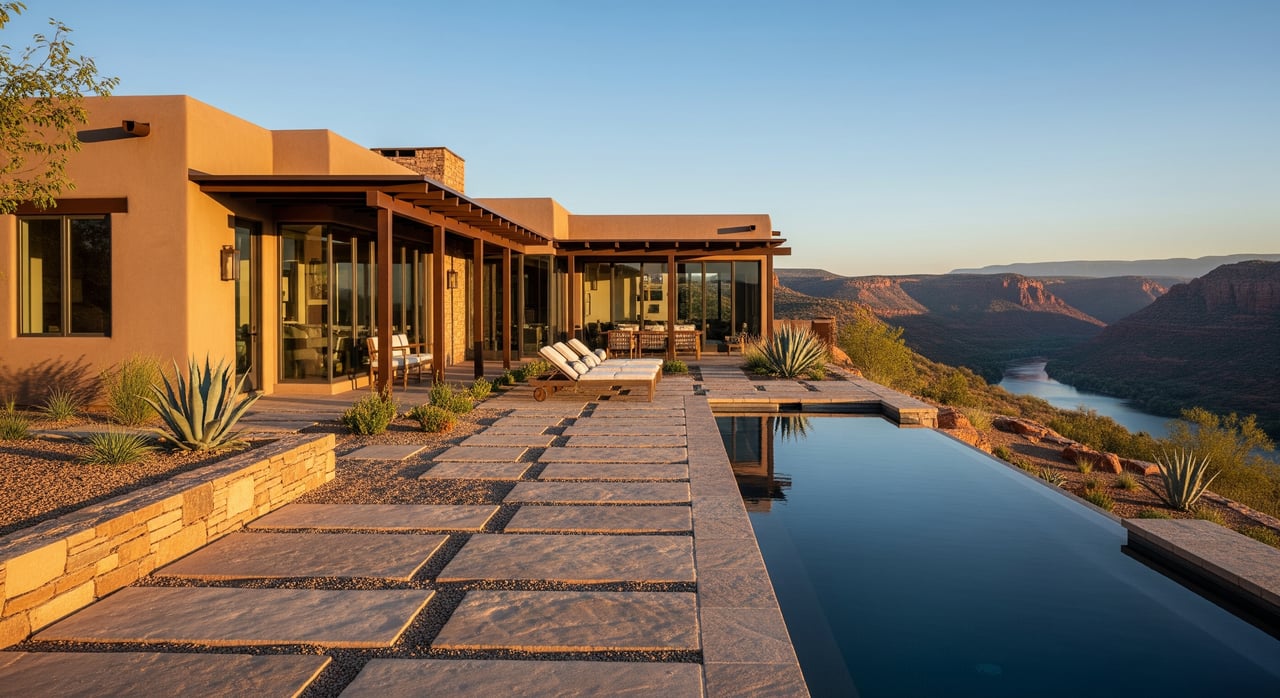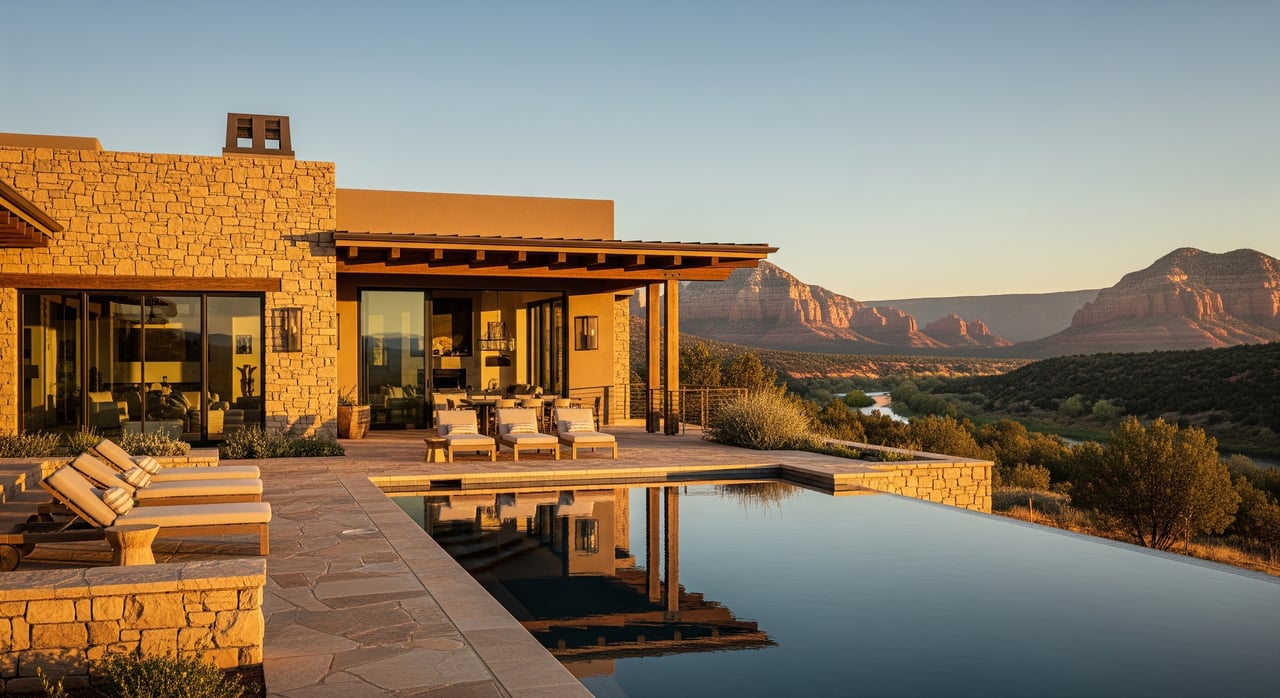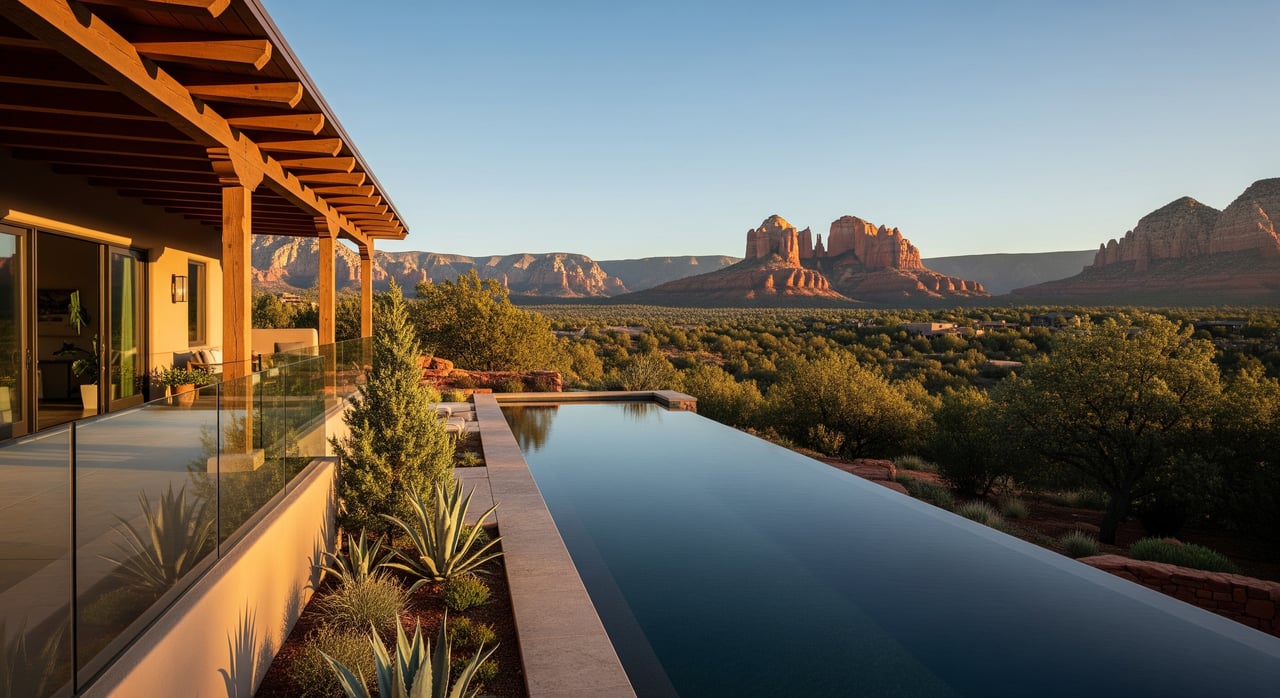
Trying to choose between Sedona and the surrounding Verde Valley for your next home or investment? On a map they sit side by side, but in the market they behave very differently. If you want red‑rock views and walkable tourist amenities, you’ll weigh different tradeoffs than if you want more land, a lower price point, or easier inventory. In this guide, you’ll learn how prices, inventory, buyer profiles, and comps differ so you can make a confident move. Let’s dive in.
Big picture differences
Sedona tends to be a higher‑cost, lower‑inventory market with a strong lifestyle and luxury focus. Much of the land is conserved or steep, which limits supply and pushes premiums for views and close‑in locations. Nearby Verde Valley towns like Cottonwood, Clarkdale, Jerome, Cornville, Camp Verde, and Rimrock usually offer more approachable price points and a broader mix of property types.
- Land supply and geography: Scarcity around Sedona supports higher prices, especially for properties with clear Red Rock views or walkable access.
- Product mix: Sedona has more luxury and second‑home stock, including condos and homes attractive to short‑term rental buyers. Verde Valley towns have more single‑family homes, larger lots, and value inventory.
- Demand drivers: Sedona attracts affluent retirees, second‑home buyers, and amenity‑seekers. Verde Valley towns see more primary‑residence buyers, first‑timers, commuters, and value‑minded retirees.
- Municipal rules: Zoning, building, and short‑term rental regulations vary by town and can change supply, permitted uses, and investment performance.
If your top priority is proximity to trailheads, dining, and iconic views, Sedona may be worth the premium. If you want more space or a lower monthly payment, the Verde Valley likely offers more choices.
Price, inventory, and seasonality
When you compare markets, focus on a small set of indicators that reveal what is actually happening right now. Your short list should include median sold price, price per square foot trends, active inventory and months of supply, sale‑to‑list ratios, median days on market, and the flow of new listings versus pendings.
Typical patterns you’ll see:
- Price differential: Sedona usually trades at a premium to surrounding towns. That premium grows for homes with high‑quality Red Rock views, walkable downtown access, luxury finishes, or turnkey vacation‑rental capability.
- Inventory mix: Sedona often has fewer options in entry‑level price bands and more high‑end or unique properties. Verde Valley towns tend to have larger pools of modestly priced homes and more raw land.
- Seasonality: Activity typically picks up in spring and fall. Visitor patterns and snowbird season can influence both buyer demand and short‑term rental expectations.
- Submarket behavior: Condos and smaller homes in Sedona may move faster than undeveloped lots. In the Verde Valley, older homes or lots can sit longer if priced ahead of the market.
Quick checklist to read today’s market:
- Compare 12‑month median sold price and price per square foot by town.
- Review active listings and months of supply at entry, mid, and luxury price bands.
- Note changes in median days on market and sale‑to‑list percentage over the last 3 to 12 months.
- Watch the new‑listing to pending ratio to spot speed of demand.
Who tends to buy where
You can map buyer goals to places across the valley. Use this as a starting framework, then refine with current inventory and rules.
- Affluent retirees and lifestyle buyers: Often prioritize low‑maintenance homes, scenic views, art and dining access, and nearby services. They frequently focus on Sedona.
- Second‑home and vacation‑rental investors: Want proximity to attractions, steady visitor demand, and clarity on short‑term rental rules. Sedona and select pockets of the Verde Valley can work, but always confirm municipal ordinances and HOA policies.
- Remote workers and amenity‑seekers on mid‑range budgets: Look for reliable internet, larger indoor‑outdoor space, and better value with a reasonable drive to Sedona. Cornville, Camp Verde, and Cottonwood are common fits.
- Local workforce and first‑time buyers: Often prioritize affordability and daily convenience. Cottonwood, Camp Verde, and some areas of Clarkdale typically provide broader options.
- Empty nesters seeking acreage or privacy: Often look to Cornville, Rimrock, and parts of Camp Verde for usable land and space.
What moves value here
In Sedona and the Verde Valley, certain features consistently change home value and comp selection. Treat them as core adjustments when you compare properties.
- Views and view corridors: Clear Red Rock views command a premium versus similar homes without views. Consider view quality tiers as separate submarkets.
- Lot size and usable acreage: Outlying towns often have larger lots. The value of extra acreage depends on topography, access, and water rights.
- Elevation, microclimate, and fire risk: Elevation can affect comfort and desirability. Wildfire exposure and defensible‑space requirements can influence insurance costs and buyer sentiment.
- Access and proximity: Walk‑to‑town locations in Sedona earn premiums. In the Verde Valley, proximity to Old Town Cottonwood, schools, and major roads can matter more.
- Zoning and STR rules: Each town sets its own rules. Permit caps, occupancy standards, or HOA restrictions can significantly change investment returns.
- Utilities and systems: Sewer versus septic, private wells, solar, and HVAC age influence both maintenance and buyer pools.
- Age and condition: Older homes may require updates. Compare on an as‑is versus after‑repair basis, especially in value‑oriented submarkets.
How to read comps across towns
Comparing Sedona to nearby towns takes a disciplined approach. Use the steps below to avoid the most common mistakes.
1) Define your submarket first
Keep your comp set tight. Use town lines, neighborhood boundaries, and natural barriers. Do not mix Sedona core with outlying Verde Valley sales without clear adjustments for views, utilities, and rules.
2) Select the right comps
- Time window: Start with solds in the last 6 to 12 months. For unique or luxury homes, you may extend to 12 to 24 months, but weigh recent sales more heavily.
- Location: Same neighborhood when possible, same side of major roads, and similar elevation and view tier.
- Property type: Match single‑family to single‑family, condo to condo, and land to land.
- Size and layout: Aim for within plus or minus 10 to 15 percent of living area and adjust for bed/bath differences.
- Lot and usability: Account for steep grades, buildable pads, and access.
- Condition and upgrades: Adjust for remodels, systems, and finish level.
- Utilities: Sewer versus septic or well, solar, and HVAC all matter.
3) Make thoughtful adjustments
- View premium: Apply a positive adjustment for clear Red Rock views. Use paired sales when available to quantify.
- Lot usability: Discount for steep, unbuildable, or limited‑access acreage. Add a premium for usable land.
- STR potential: If income is part of your value, factor in local occupancy patterns and average daily rates, and confirm town rules.
- Market timing: If conditions are shifting, give more weight to the most recent comparable sales.
4) Use price per square foot carefully
Price per square foot can be a helpful cross‑check in homogeneous areas, but it can mislead across different view tiers, lot sizes, and property ages. Always pair it with a full comp analysis.
5) Read active and pending signals
- Low active inventory and strong pending counts suggest a seller‑leaning market and upward pressure on pricing.
- Many actives with rising days on market suggest buyers have more leverage and pricing should be sharper.
6) Present your comp case clearly
If you’re selling, ask for a comp packet that shows the exact sales used, dates, adjustments, and months of supply. If you’re buying, request a side‑by‑side of the top three comparables with rationale for each adjustment.
Decision guide: Which area fits you
Use these quick prompts to narrow your search and reduce touring fatigue.
- If you want iconic views, walkable dining, and a high‑amenity lifestyle: Prioritize Sedona and be ready for a premium.
- If you want more space, a yard, or acreage at a lower price point: Focus on Cornville, Camp Verde, Cottonwood, and parts of Rimrock.
- If you want an income component: Consider both Sedona and select Verde Valley areas, but confirm short‑term rental rules and HOA policies before underwriting revenue.
- If you want a turnkey primary residence with daily convenience: Start with Cottonwood and Clarkdale, then expand outward if needed.
Costs and risks to factor in
Think beyond the purchase price when comparing towns.
- Ongoing costs: HOA dues where applicable, property taxes, and insurance. Wildfire exposure can affect insurability and premiums.
- Infrastructure: Septic maintenance, well testing, and possible replacement costs. Sewer connection availability varies by location.
- Regulatory certainty: Short‑term rental rules and zoning change by town and can shift over time. Always verify with the municipality and HOAs.
- Access and easements: Public lands and conservation overlays shape long‑term supply. Confirm easements and deed restrictions through county records.
Get a personalized market brief
Every client’s criteria map differently across Sedona and the Verde Valley. Request a Personalized Verde Valley vs Sedona Market Brief to see how your goals align with today’s inventory and rules. Share the following so your brief is truly tailored:
- Intended use: primary, second home, short‑term rental, or investment
- Budget range and financing plan
- Must‑have features: views, acreage, walkability, HOA preferences
- Preferred towns or neighborhoods
- Timeframe to buy or sell
Your brief will include recent solds and active listings that match your criteria, price and lifestyle tradeoffs by town, a summary of current short‑term rental rules for your selected areas, an estimated price range or buyer strategy, comp adjustments with rationale, and suggested next steps like inspections, lender introductions, and permit checks.
Ready to compare Sedona and Verde Valley with confidence? Schedule Your Verde Valley Consultation with jessie pfeiffer and get a clear, local plan for your next move.
FAQs
Why are Sedona homes often more expensive than Verde Valley homes?
- Limited developable land, higher demand for Red Rock views and walkable amenities, and a larger share of luxury and second‑home properties typically support higher prices in Sedona.
How do short‑term rental rules affect value across towns?
- Rules vary by municipality and HOA, which can change permitted uses and income potential, so verify current ordinances and policies before underwriting rental revenue.
When is the best time to buy in Sedona or the Verde Valley?
- Spring and fall often bring more activity, so buyers should watch inventory, days on market, and pending trends to time offers and negotiation leverage.
How much does a Red Rock view add to a home’s value?
- The premium varies by view quality and location; use paired local comps that compare view and no‑view properties to estimate a realistic adjustment.
Can I rely on price per square foot to compare towns?
- Use it only as a cross‑check, since differences in views, lot size, age, condition, and utilities can make price per square foot an unreliable primary metric.