Craving a slower pace without losing access to trails, rivers, and weekend adventures? If you are imagining small-town living with room to breathe, Camp Verde might be a fit. You will find an outdoors-centered lifestyle, everyday essentials in town, and a central spot for exploring the Verde Valley. This guide walks you through weather, recreation, amenities, housing patterns, and what to check before you buy so you can picture daily life with confidence. Let’s dive in.
Camp Verde at a glance
Camp Verde is a small, rural-leaning town in the Verde Valley with a relaxed, community-forward vibe. Life here moves at a slower pace than nearby tourist centers, which many residents appreciate. The town’s identity blends history at Fort Verde, riparian areas along the Verde River, and wide views where desert meets higher-elevation forests. You get access to outdoor recreation without the crowds you see in places like Sedona.
You will meet a mix of retirees, year-round residents, second-home owners, and commuters. The overall feel is friendly and practical. Many people come for space, nature, and a quieter daily rhythm rather than nightlife.
Geography and climate
Camp Verde sits along the Verde River at roughly the low 3,000-foot elevation range, which helps moderate summer heat compared with lower desert cities. The setting is a transition zone, so you can move quickly from desert flats to pine and mixed-conifer country within a short drive. That variety shapes everyday life.
- Summer: Expect hot days, cooler evenings than the low desert, and a distinct monsoon season in mid-summer. Thunderstorms can be dramatic and may bring localized heavy rain. Unpaved roads and washes can be affected, so plan your travel and outdoor time with the forecast in mind.
- Winter: Winters are mild overall with cool nights. Light freezes and occasional flurries are possible in town, while heavier snow is more common at higher elevations nearby. You can chase sun or snow with short day trips depending on your mood.
- Landscaping and water: Arid conditions favor low-water landscaping, and irrigation choices matter. If you prefer lush gardens, plan for water-wise planting and efficient systems.
Outdoor life and day trips
If you value being outside, you will find plenty to do near home:
- Montezuma Castle National Monument offers well-preserved cliff dwellings and easy trails, a daily reminder of the region’s deep cultural history.
- Montezuma Well, a separate unit, is a unique limestone sink with constant springs and archaeological interest.
- Fort Verde State Historic Park anchors town history with restored buildings, a small museum, and community events.
- The Verde River supports kayaking, canoeing, fishing, birdwatching, and peaceful riverside walks. River levels and flow vary by season, so locals watch conditions.
- Trails and open land create options for hiking, OHV routes, horseback riding, and dispersed exploration in desert and nearby forests.
For day trips, use Camp Verde as your launch pad. Sedona’s red rocks, Prescott’s mountains, Flagstaff’s higher-elevation forests, and Verde Valley wine and heritage sites are all within typical 30 to 90 minute drives depending on destination.
Everyday amenities
You can handle daily life in town. Camp Verde has grocery options, service businesses like auto shops and banks, a small commercial strip, and a practical mix of restaurants and cafes. On weekends, many residents enjoy regional wineries and tasting rooms around the Verde Valley.
For big-box retail or specialty shopping, most people head to Cottonwood, Sedona, or Prescott. That tradeoff is part of the appeal for those who prefer open space and quiet over retail variety.
Schools and education
Camp Verde Unified School District serves students with elementary, middle, and high school options. There are private and charter alternatives elsewhere in the Verde Valley for families who want to explore different setups. For higher education and workforce courses, Yavapai College has regional campuses that offer a range of programs. As with any move, it is best to speak directly with schools to understand programs and transportation options.
Healthcare and emergency services
You can access routine primary care and outpatient services in town. For hospital-level and specialty care, residents typically drive to nearby regional centers. Verde Valley Medical Center in Cottonwood provides hospital care within a short regional drive, with additional systems available in Prescott and Flagstaff. Local police and fire departments operate in town, and like many smaller Arizona communities, volunteer and reserve roles support services.
Getting around and connectivity
Most residents rely on private vehicles for work, school, and errands. Public transit exists at a regional level but is limited compared with urban areas. Commute patterns vary. Some people work locally or in nearby towns, others drive to tourism and retail jobs in the Verde Valley, and remote work has become more common since 2020.
Utilities are a mix. In-town homes often have municipal water and sewer, while rural parcels may use private wells and septic systems. Broadband availability can vary by neighborhood. Denser areas tend to have wired options, and rural parcels may rely on fixed wireless, DSL, or satellite. If reliable connectivity is critical for your household or work, confirm provider options at the specific address before you buy.
Housing and neighborhoods
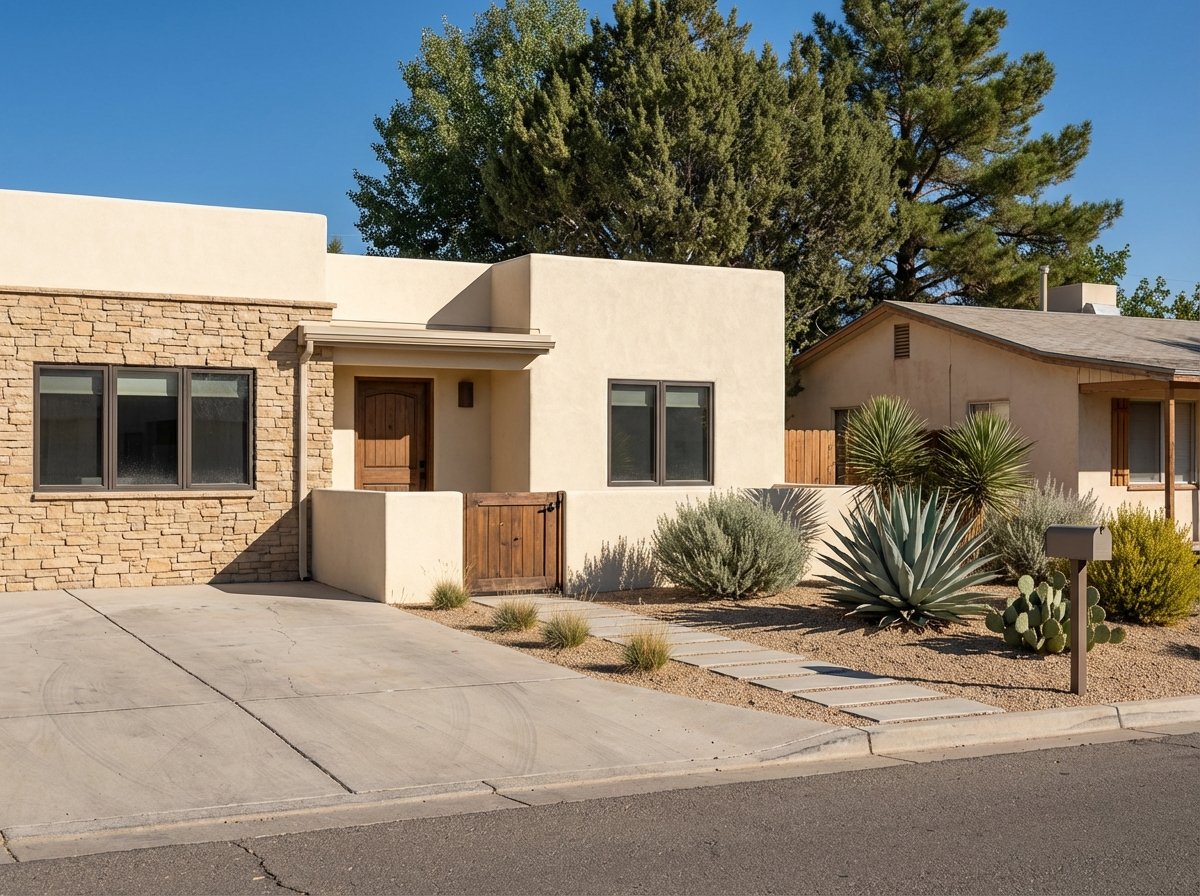
Housing in Camp Verde is mostly single-family homes on a range of lot sizes, from town lots to larger rural or ranch-style parcels. You will also see manufactured and mobile homes in some neighborhoods. Common styles include southwestern and ranch influences with mostly single-story floor plans, gravel or desert landscaping, and practical outdoor spaces.
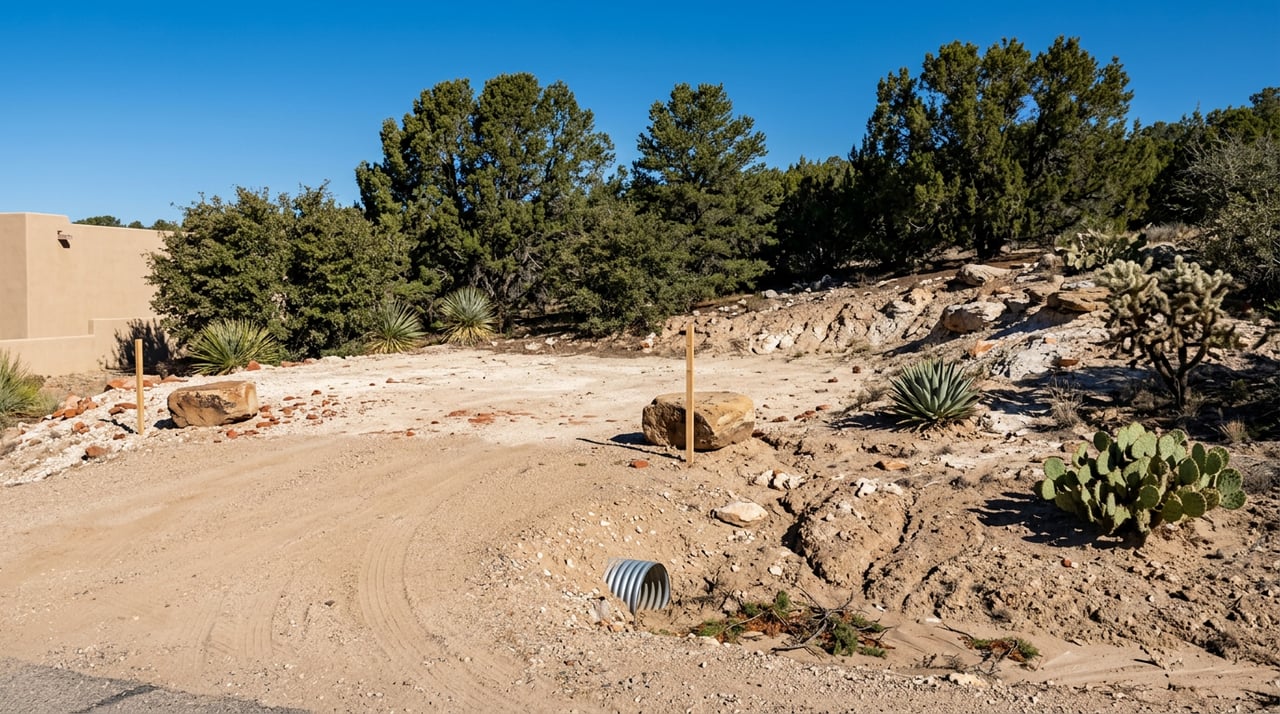
Land use is a mix of town-zoned property and county-regulated rural parcels. Some properties are set up for horses or small agricultural uses. Rules differ by location, so buyers should verify zoning, set-backs, and any animal or use restrictions. If you are considering acreage or a homesite, be prepared to confirm well capacity, septic permits, and driveway access.
Market notes and inventory
Regional housing prices have moved around since 2020, and small-town markets can have uneven inventory. You might see periods with few active listings followed by quicker movement when new homes come on. Because conditions change often, you will want local insight and up-to-date comparables at the address level before making offers.
Buyer checklist for Camp Verde
Use this quick list to evaluate specific homes or land:
- Water and wastewater: Confirm whether the property uses municipal water or a private well. Review any well logs or reports, and verify septic permits and system condition.
- Flood risk: Check whether the parcel sits near a wash or along the Verde River. Ask about past monsoon impacts and any floodplain considerations.
- Access and roads: Evaluate the condition of unpaved roads, seasonal passability, and who handles maintenance. Make sure your vehicle can handle it in all seasons.
- Wildfire and defensible space: Review surrounding vegetation and fuel load, any history of nearby fires, and insurance requirements. Plan for defensible space and ongoing mitigation.
- Internet and cell coverage: Test provider availability and signal strength at the exact address, especially if you rely on video calls or streaming.
- Utilities: Verify electric service, trash, and sewer. Some rural properties require additional upfront investment for water or waste infrastructure.
- Zoning and use limits: Confirm animal allowances, set-backs, and any intended use like horses, small agriculture, or short-term lodging where applicable and permitted.
- Property taxes and HOAs: Review county assessor records and any HOA documents for fees, rules, and transfer requirements.
Community life and events
Small-town engagement is part of the charm. You will find civic clubs, service organizations, historical societies, and seasonal events that make it easy to connect. Fort Verde programming, local farmers markets, and holiday happenings shape the calendar. When you want bigger arts and culture, Sedona and Cottonwood offer a wider lineup just a short drive away.
Is Camp Verde right for you?
Choose Camp Verde if you want an everyday lifestyle defined by open skies, river corridors, and trail access rather than traffic and crowds. You will trade some retail and entertainment variety for space, quiet nights, and proximity to national and state-managed sites. Be ready for car-based living, seasonal weather that includes monsoon storms, and address-level due diligence on water, septic, and connectivity.
If that balance sounds right, you will likely feel at home in this part of the Verde Valley.
Ready to explore homes, land, or a possible weekend base in Camp Verde? Connect with jessie pfeiffer for local guidance and a clear plan tailored to your goals.
FAQs
What is the year-round weather like in Camp Verde, AZ?
- Camp Verde has a semi-arid, high-desert transition climate with hot summers that cool more at night than the low desert, a mid-summer monsoon season, and mild winters with occasional freezes.
How close is Camp Verde to Sedona, Prescott, and Flagstaff?
- Camp Verde sits in the Verde Valley with most regional destinations about 30 to 90 minutes away by car depending on your route and traffic.
What outdoor activities can you do near Camp Verde?
- You can hike, paddle, and fish along the Verde River, explore Montezuma Castle and Montezuma Well, visit Fort Verde State Historic Park, and reach red rock and pine country trails with short drives.
What housing types are common in Camp Verde?
- Most homes are single-family on varied lot sizes, with some manufactured and mobile homes, plus rural and ranch-style parcels that may allow horses or small-scale agricultural uses.
Does Camp Verde have reliable internet for remote work?
- It depends on the address, since wired broadband is more common in town neighborhoods while rural parcels may rely on fixed wireless, DSL, or satellite, so always confirm provider options.
Where do residents go for hospital care near Camp Verde?
- Routine care is available in town, and residents typically use regional hospitals such as facilities in Cottonwood, Prescott, and Flagstaff for emergency and specialty services.